
About All Tours Small Group ToursSelf-Guided Audio ToursHelicopter ToursPrivate ToursLuxury ToursWith Pickup ToursHalf Day ToursFrom Lahaina Tours Directions Hours & Fees
Find Tours 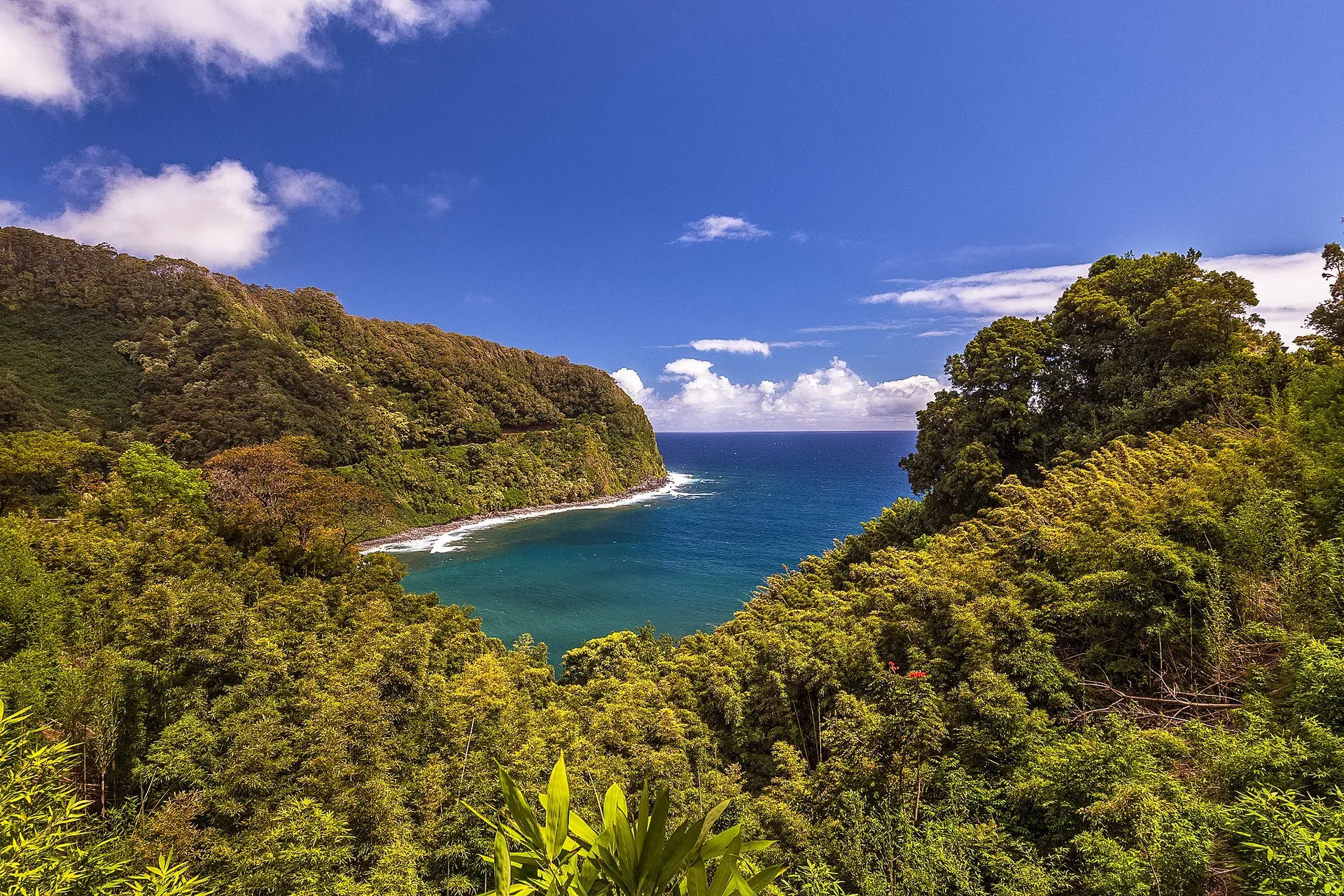
This 64.4-mile mountain highway traces Maui's rugged northeastern coast, requiring drivers to navigate 620 hairpin curves and 59 narrow one-lane bridges. Along the route, dense tropical rainforests give way to dramatic 400-foot waterfalls, ancient basalt stone paths, and the striking black volcanic sands of Waiʻanapanapa State Park.
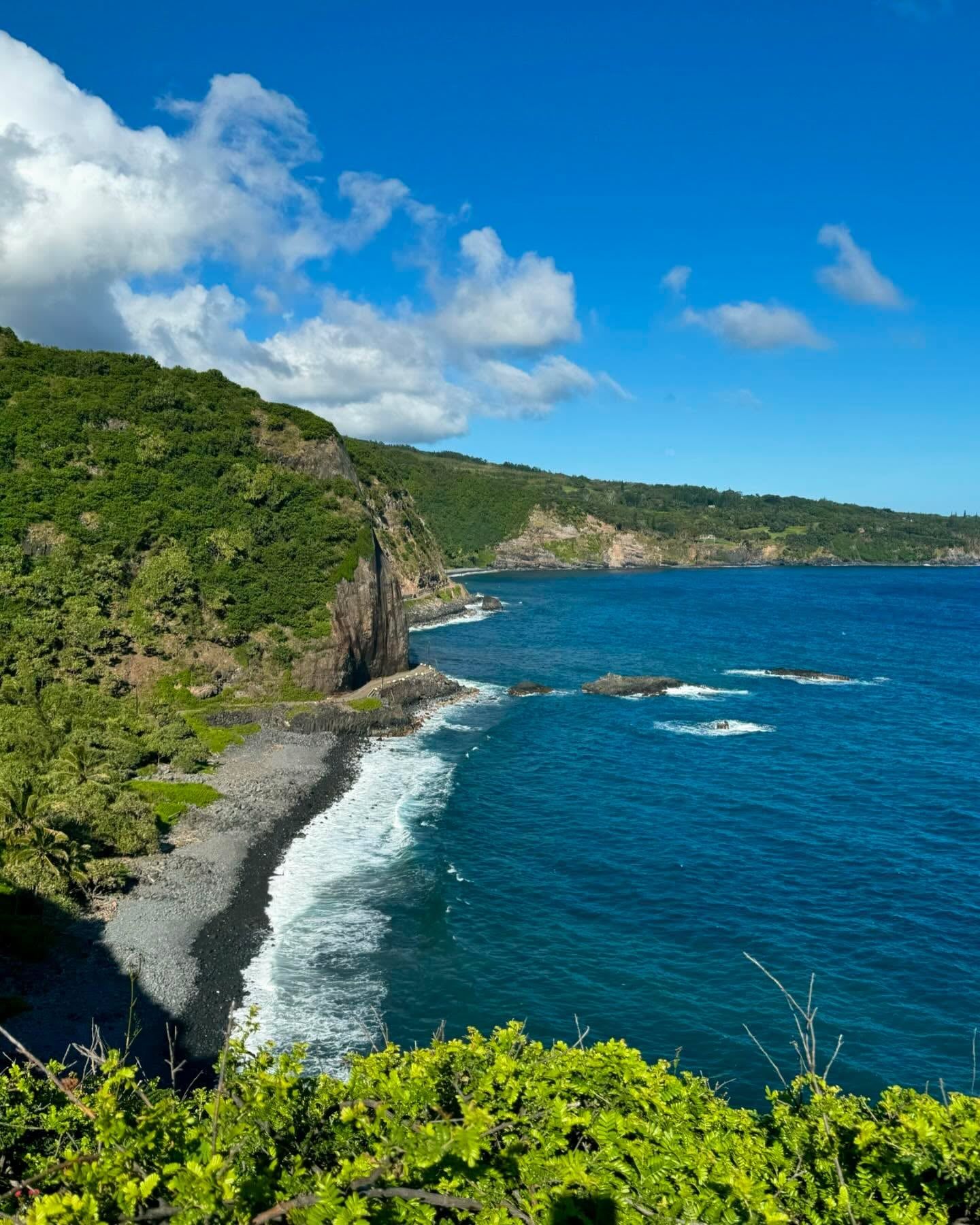
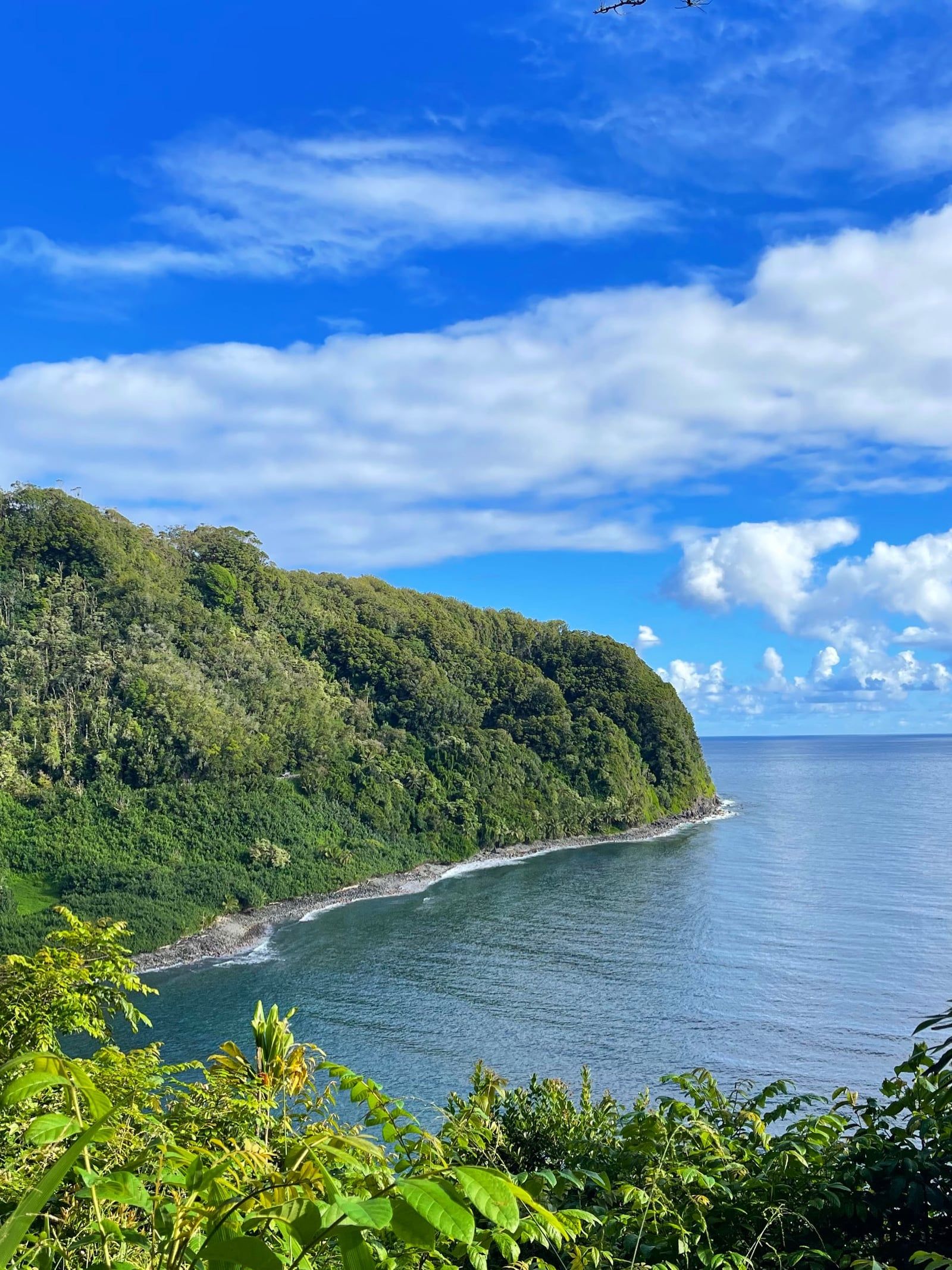
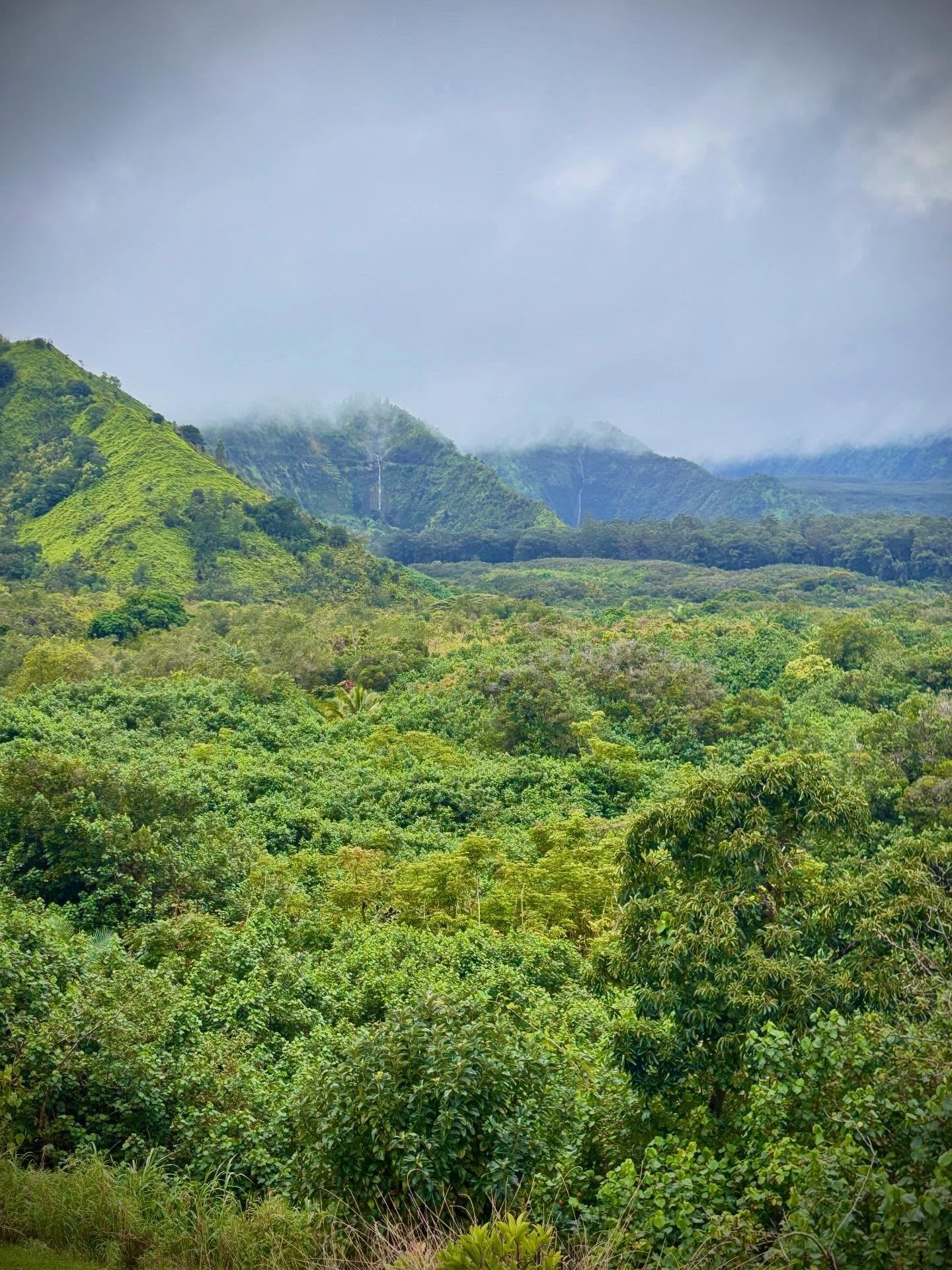
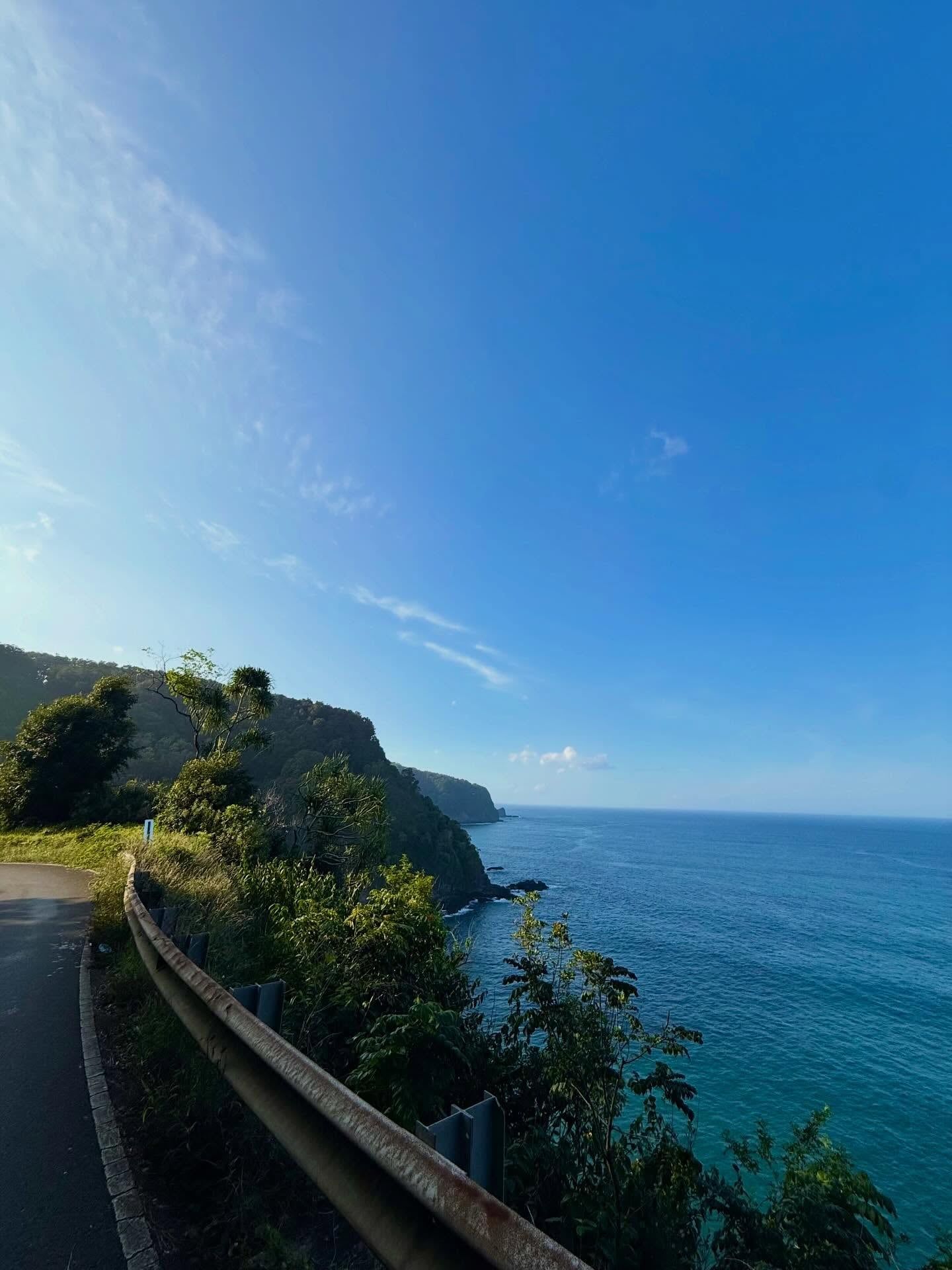
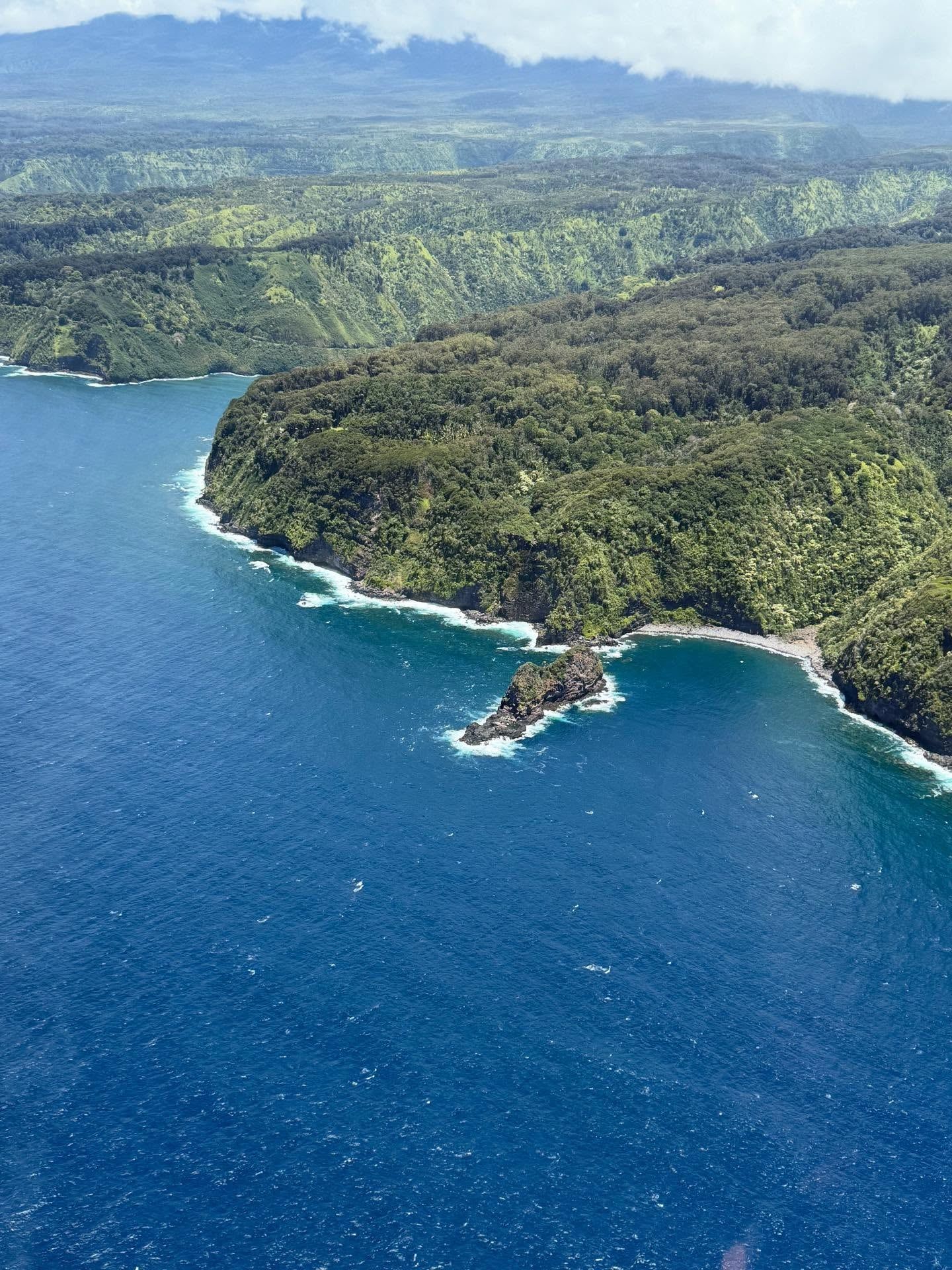
Find Guided ToursThe Road to Hana, officially designated as the Hana Highway or Route 36/360, is a 64.4-mile drive along the rugged northeastern coastline of Maui. Connecting the city of Kahului to the remote town of Hana, the route forces drivers to navigate 620 hairpin curves and 59 narrow one-lane bridges. The physical geography of this wet, green coast is defined by steep cliffs, deep valleys, and a dense tropical rainforest ecosystem fed by abundant rainfall.
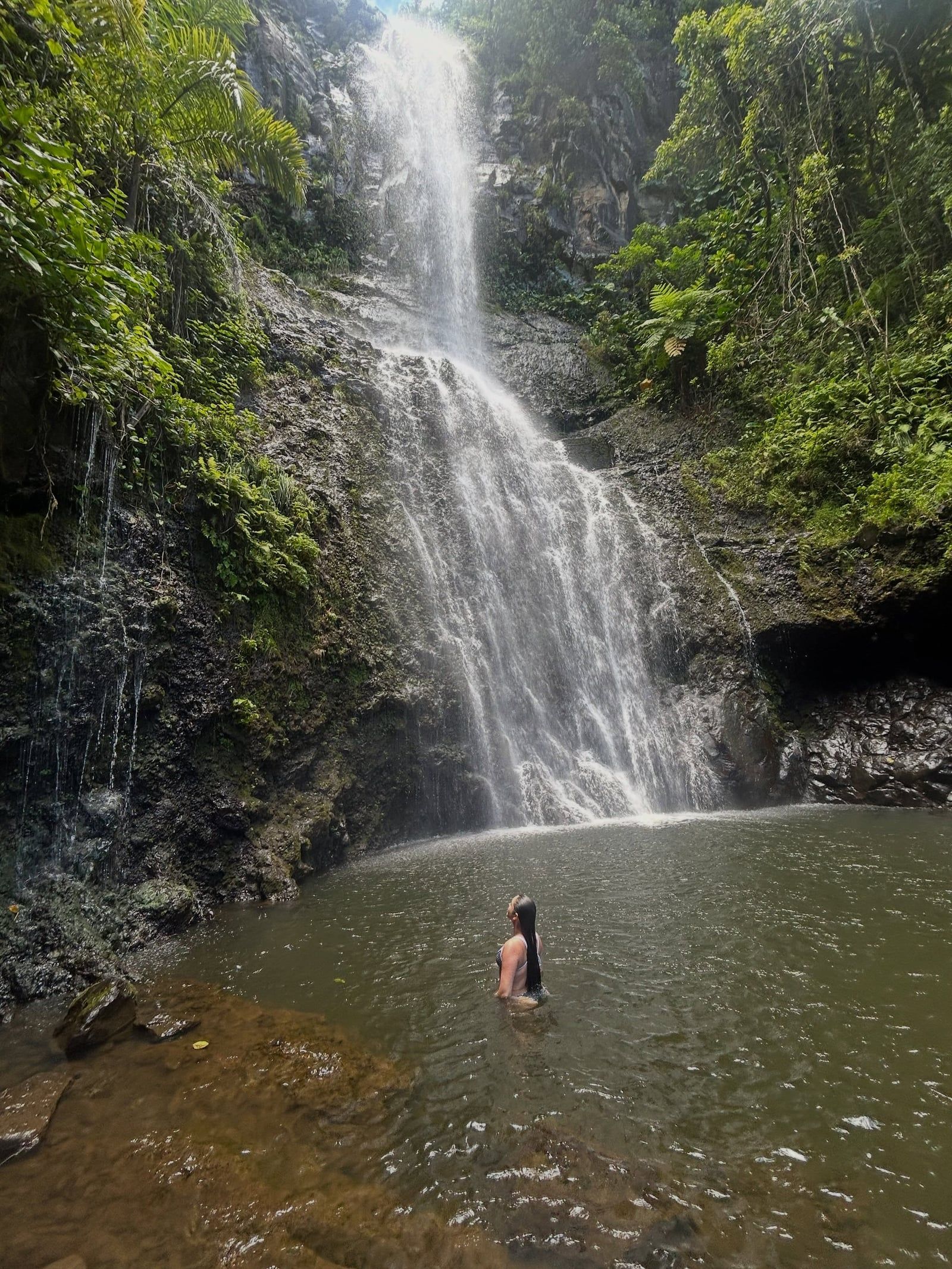
Beyond the challenging drive, the region preserves one of the last unspoiled Hawaiian frontiers. The area features unique volcanic formations, including the massive underground Hana Lava Tube, as well as striking black, red, and white sand beaches shaped by ocean erosion. Plunging freshwater pools and dozens of cascading waterfalls, such as the 400-foot Waimoku Falls, punctuate the landscape.
Long before modern vehicles, ancient Hawaiians traversed this terrain on footpaths. In the 16th century, Maui's King Pi'ilani unified the island and constructed the Alaloa, a hand-fitted basalt stone path measuring 4 to 6 feet wide. His son, Kihapiilani, later extended this trail directly into the rugged Hana District.
Modern road construction began in the 1870s to facilitate the Hamakua Ditch irrigation project, which diverted East Maui's rainfall to central sugarcane fields. Following years of labor-intensive work by prison laborers, Hawaiians, and immigrant workers, the highway officially opened to cars in 1926. Added to the National Register of Historic Places in 2001, the road continues to serve as a vital lifeline for remote eastern coast communities that maintain traditional practices like taro farming.
Discover the full history and cultural significance on our About page.
Walk this 4-mile roundtrip path through a dense bamboo forest that clicks audibly in the wind. The route passes jungle streams and a massive banyan tree before ending at the base of Waimoku Falls, a towering 400-foot cascade located inside the Kipahulu District.
Grab a flashlight and navigate a massive, dark cavern hollowed out by ancient flowing lava. This spacious underground geological formation costs $12 for adult entry. Above ground, families can walk through an outdoor garden maze surrounded by East Maui's dense tropical rainforest.
Waiʻanapanapa State Park features striking dark basalt sand contrasting sharply with powerful blue ocean waves. Visitors can walk along the shore and inspect nearby sea caves. Entry requires booking specific time slots weeks in advance, costing $5 per person and $10 per vehicle.
The highway features dozens of cascades, but this 80-foot drop is easily accessible right off the road. A short, occasionally muddy path leads down to a freshwater pool surrounded by tropical foliage. Pull completely into designated turnouts to capture photos safely without blocking traffic.
Hand-picked tours with free cancellation and verified reviews

 Free Cancellation 12h 30min
  Free Cancellation
  Free Cancellation
  Free Cancellation
  Free Cancellation
 Likely to Sell Out 6h
 The optimal time to drive the 64.4-mile Road to Hana is during the shoulder seasons when weather is drier and crowds are manageable. Regardless of the season, visitors should leave Kahului between 6:30 AM and 7:00 AM on a Tuesday, Wednesday, or Thursday.
This shoulder season provides drier, more stable weather along the northeastern coast, significantly reducing the risk of flash floods. Lower crowd levels make mandatory state park reservations easier to secure.
Peak summer months present significant challenges due to extreme tourist crowding along the highway's 620 curves. Securing the required advance reservations for Waiʻanapanapa State Park becomes nearly impossible.
As a shoulder season, autumn offers ideal driving conditions with stable weather and fewer heavy downpours. Reduced traffic allows for easier navigation across the 59 narrow one-lane bridges.
The peak winter rainy season brings heavy downpours that frequently trigger flash floods, rockslides, and sudden road closures. The Christmas holiday period also causes severe crowding and heavy traffic.
The Hana Highway is a public state road open 24/7, though driving at night is strongly discouraged due to safety hazards. Roving maintenance and lane closures for weed control or tree removal typically occur on weekdays between 12:30 AM and 11:00 AM, or 7:00 AM to 5:00 PM. Heavy downpours during the peak winter rainy season frequently trigger flash floods and sudden road closures. Individual attractions maintain their own operating schedules. For example, Waiʻanapanapa State Park is open daily from 7:00 AM to 6:00 PM.
| Category | Price |
|---|---|
| Road to Hana Entrance | Free |
| Waiʻanapanapa State Park Entry (Non-resident) | $5.00 |
| Waiʻanapanapa State Park Entry (Hawaii resident with ID) | Free |
| Waiʻanapanapa State Park Entry (Child 3 and under) | Free |
| Waiʻanapanapa State Park Parking (Per vehicle) | $10.00 |
| Garden of Eden Arboretum (Adult) | $20.00 |
| Hana Lava Tube (Adult) | $12.00 |
| Kahanu Gardens Entry | $18.00 |
| Kahanu Gardens Guided Tour | $30.00 |
| Twin Falls Parking | $10.00 |
Advance reservations are strictly required for parking and entry at Waiʻanapanapa State Park. Non-residents must book specific time slots weeks in advance, as same-day bookings are not permitted. Additionally, a National Park pass or entry fee is required to access the Kipahulu District of Haleakalā National Park.
For complete schedules and ticket prices, visit our Hours & Fees page.
The route begins at Kahului Airport and follows Route 36 and Route 360 along Maui's northeastern coast. Travelers can drive the 64.4-mile stretch independently or book a guided tour to reach the remote town of Hana.
📍 Route 36 and Route 360, Maui, Hawaii
Driving independently begins at Kahului Airport and follows Route 36 and Route 360 along the northeastern coast. The 64.4-mile route requires intense focus to safely navigate 620 hairpin curves and 59 narrow one-lane bridges. Drivers must fill their gas tanks completely in Pa'ia before proceeding. Traversing this terrain demands a slow pace and strict adherence to designated turnouts to let faster-moving local traffic pass.
Professional excursions depart directly from Kahului and various Maui resorts in specialized vehicles seating up to 12 passengers. Booking a tour eliminates the physical stress of driving the winding highway while providing expert historical narration. Operators like Hana and Beyond offer comfortable, climate-controlled rides featuring large panoramic windows. These organized packages also include pre-arranged state park permits and a provided lunch.
Visitors requiring mobility accommodations have specialized transport alternatives available for exploring the eastern coast. Polynesian Adventure Tours operates buses equipped with wheelchair lifts for ground travel along the highway. For an aerial perspective, Sunshine Helicopters provides a special chair lift to safely board passengers for flights over the rainforests and waterfalls. These specific services ensure the rugged terrain remains accessible without navigating the sharp curves manually.
For detailed transport options and routes, visit our Directions page.
Depart from Kahului between 6:30 AM and 7:00 AM to avoid heavy tour bus traffic. Planning your drive for a Tuesday, Wednesday, or Thursday further reduces crowding. A standard roundtrip takes 10 to 12 hours, so an early start maximizes daylight.
Cell phone reception is virtually non-existent along large stretches of the 64.4-mile highway. Download offline maps or a GPS audio guide app like Shaka Guide before leaving Kahului. These applications use satellite tracking to provide turn-by-turn directions without needing mobile data.
Waiʻanapanapa State Park strictly requires advance reservations for non-residents. You cannot book same-day entry to see the black sand beach. Secure your specific time slot weeks ahead of time, which costs $5 per person and $10 for vehicle parking.
The highway requires navigating exactly 620 hairpin curves and 59 narrow one-lane bridges. This continuous winding motion frequently causes severe car sickness for passengers. Pack nausea medication and plan frequent stops at accessible lookouts like the Ke'Anae Valley Overlook.
Maui County actively enforces parking regulations along congested stretches of the route. Leaving your vehicle outside of designated turnouts or past white lines triggers a $235 penalty. Pull completely into official spaces, such as the $10 dedicated lot at Twin Falls.
Flip-flops are highly discouraged for off-trail exploring. You will encounter sharp volcanic rocks, slippery paths, and muddy trails at stops like the 400-foot Waimoku Falls. Wear sturdy, closed-toe shoes to prevent foot injuries, and bring a wet bag for damp swimwear.
This national park area requires an entry fee and contains the famous Pools of 'Ohe'o. Visitors can hike the 4-mile Pipiwai Trail through dense bamboo forests to reach the 400-foot Waimoku Falls.
This botanical garden charges an $18 entry fee and houses the Pi'ilanihale Heiau, Hawaii's largest ancient temple. Visitors can explore the restored three-acre basalt structure to learn about early settlers.
This free botanical stop features traditional taro ponds alongside a small bamboo grove. It provides an excellent opportunity to observe striking rainbow eucalyptus trees with their multi-colored bark.
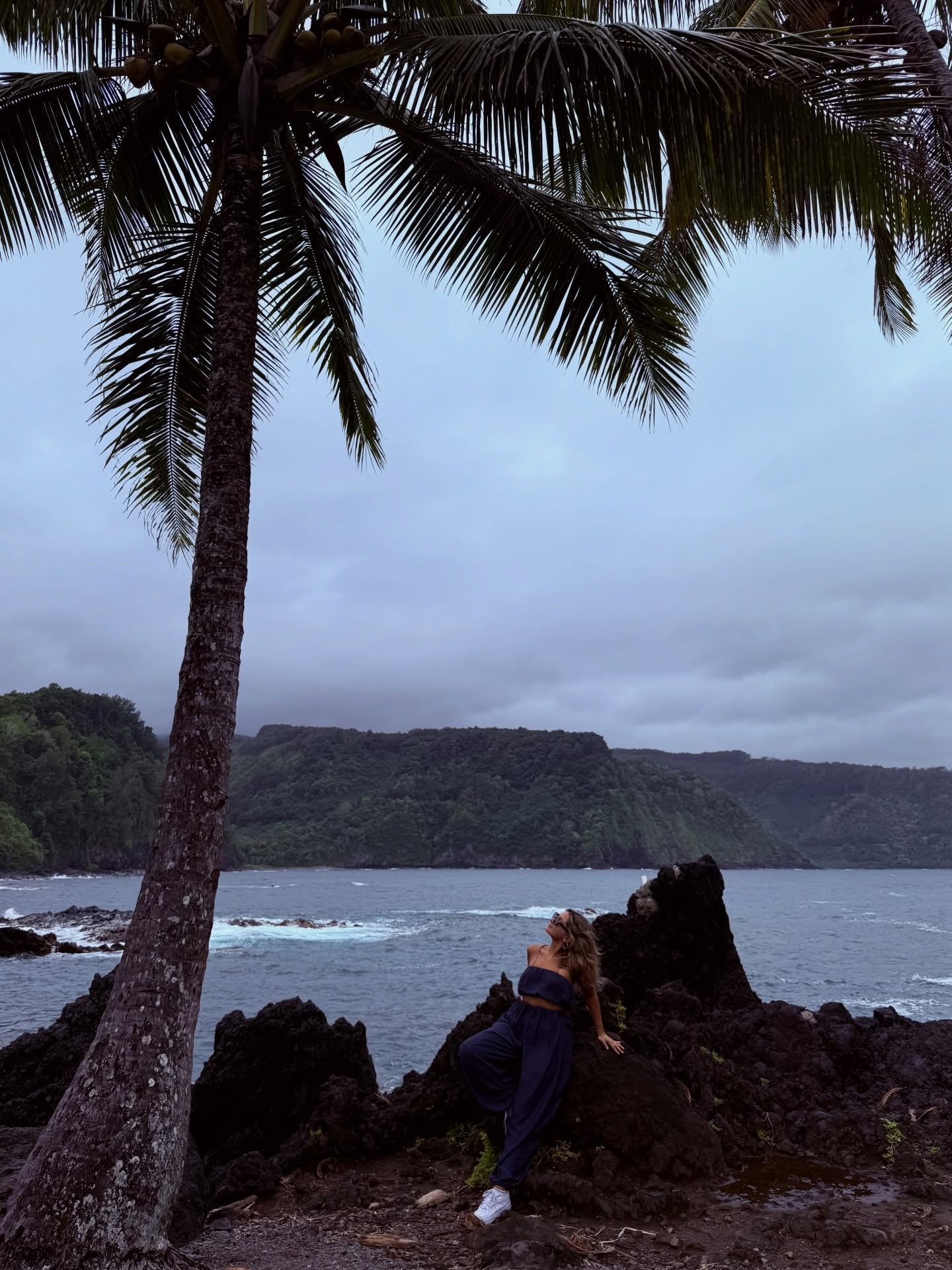
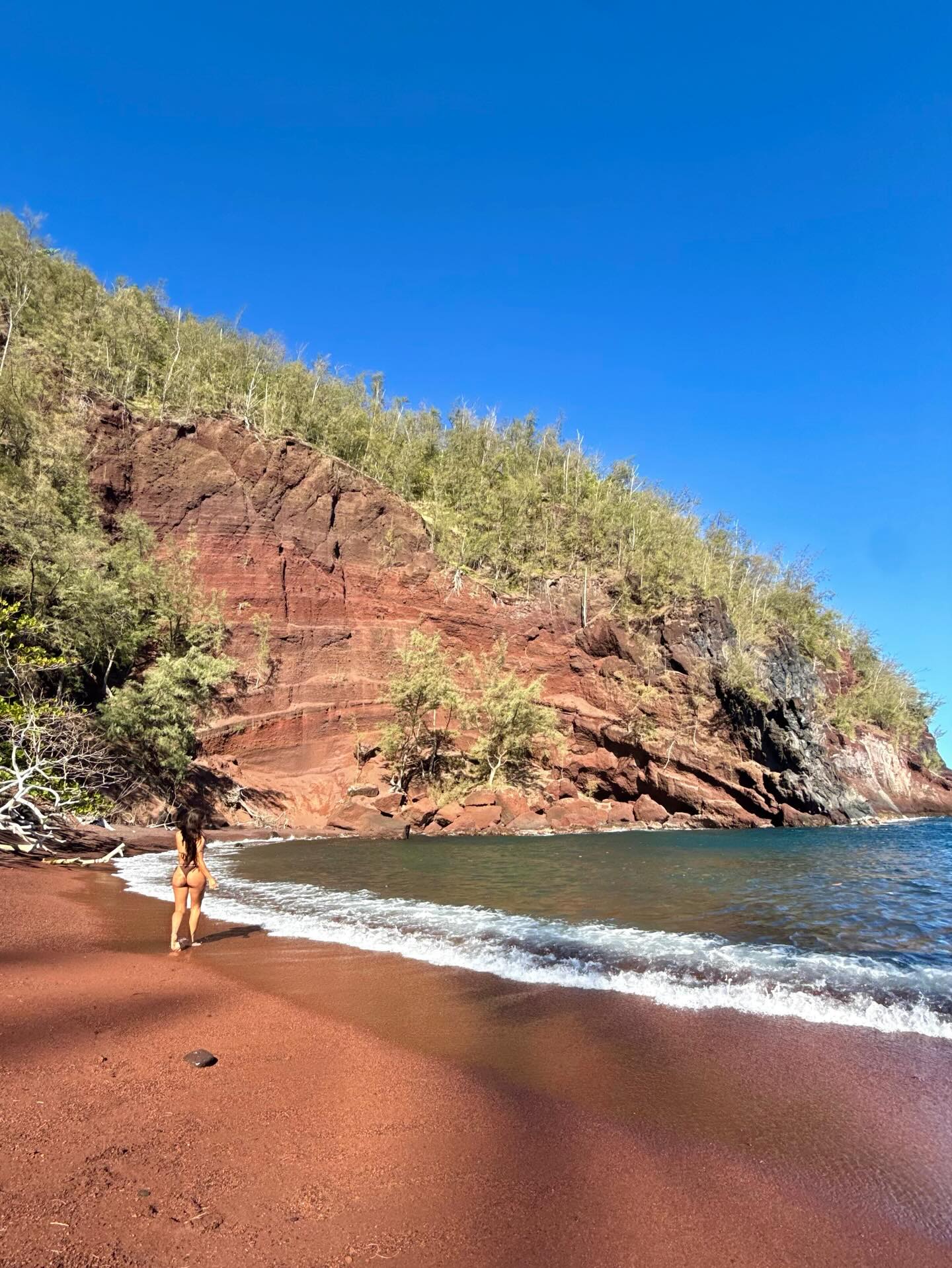
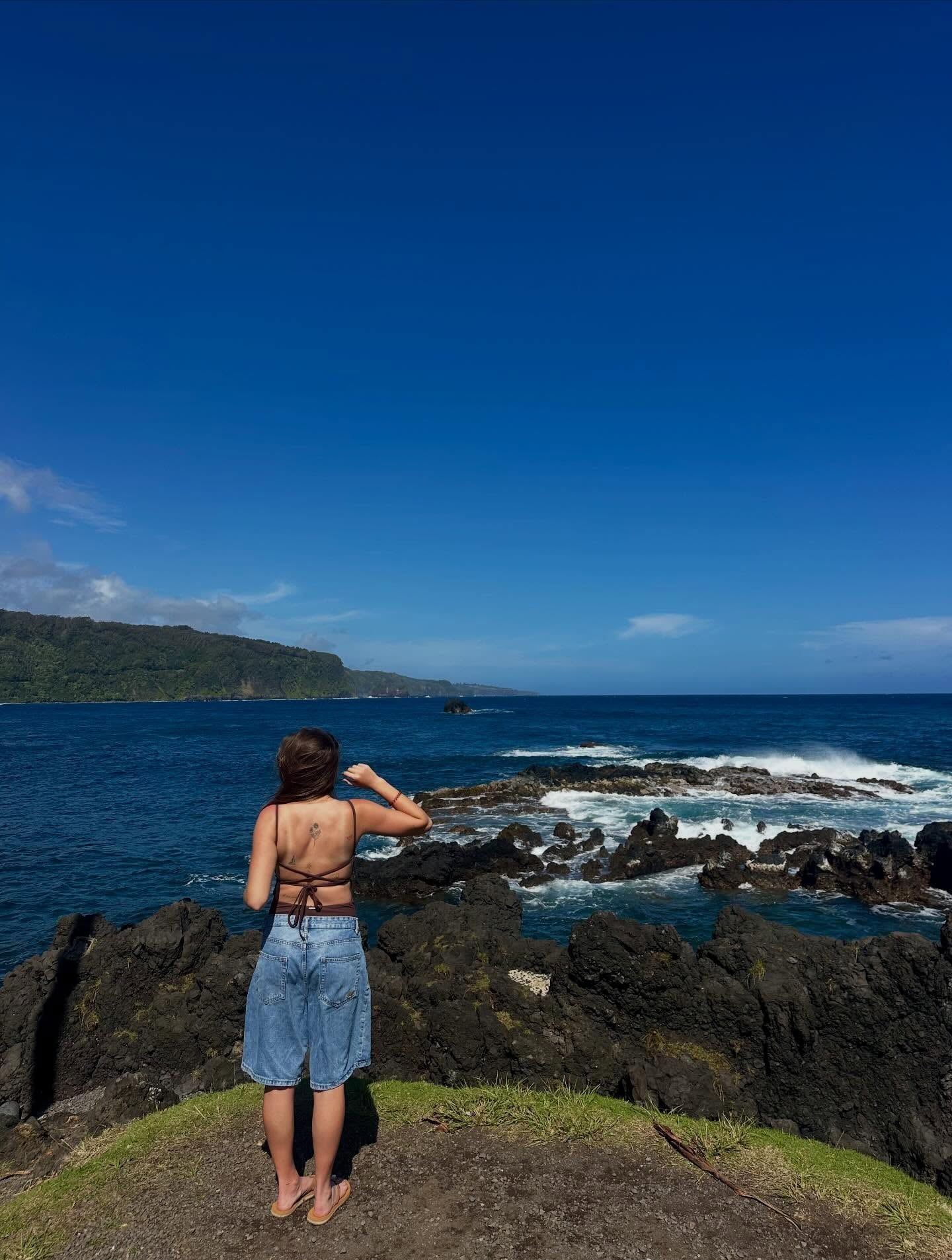
Read what travelers share about their experience visiting Road to Hana — from practical tips to personal highlights.
There is no single fee to drive the 64.4-mile highway, but specific attractions charge admission. For example, Waiʻanapanapa State Park costs non-residents $5.00 per person plus a $10.00 parking fee, while the Garden of Eden Arboretum charges $20.00 per adult.
A non-stop drive from Kahului to Hana takes about 2.5 hours. A standard roundtrip visit requires 10 to 12 hours to allow time for hiking, swimming, and navigating the 620 hairpin curves and 59 narrow one-lane bridges.
You should leave Kahului between 6:30 AM and 7:00 AM. Departing early helps you secure parking at popular spots like Twin Falls and keeps you ahead of the slow-moving tour buses.
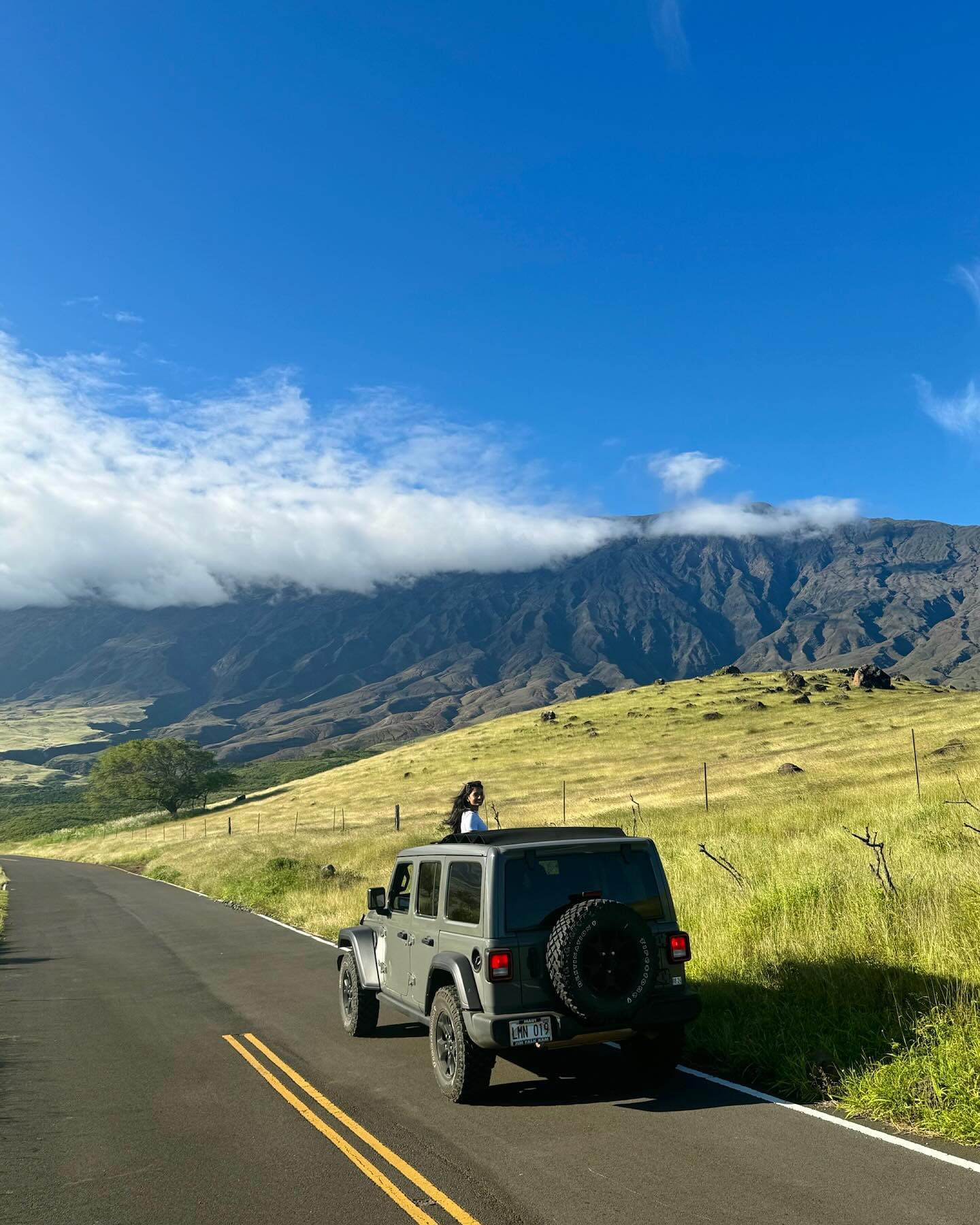
You can drive a standard rental car yourself, provided your contract allows driving the unpaved back road loop. Alternatively, professional guided van tours cost between $150 and $350 per person and eliminate the physical stress of driving.
Bring sturdy, closed-toe shoes for walking on sharp lava rocks, along with swimwear and a wet/dry bag. You also need to pack plenty of snacks, extra water, and motion sickness medication since many roadside stands open late in the morning.
While many popular stops involve rugged terrain, wheelchair-friendly locations include Pua'aka'a State Wayside, Hana Bay Beach Park, and the Garden of Eden Arboretum. Visitors can also book accessible guided options through Polynesian Adventure Tours or Sunshine Helicopters.
Advance reservations are strictly required for parking and entry at Waiʻanapanapa State Park to see the black sand beach. Same-day bookings are not permitted, so non-residents must secure their time slots online weeks ahead of their trip.
Cell phone service is extremely limited or completely non-existent along large stretches of the route. Visitors should download offline maps or GPS audio guides, such as the Shaka Guide app, before leaving Kahului.
Browse verified tours with free cancellation and instant confirmation.
Find Tours